Cloud & DevOps
The Evolution of DevSecOps: From Theory to an Integrated Security Culture
The Evolution of DevSecOps: From Theory to an Integrated Security Culture
Over the past several months, we have witnessed a tectonic shift in the way progressive organizations conceive the creation of cutting-edge software. The structural methodology that was once considered merely a nice-to-have improvement in corporate workflows has solidly become the undeniable pillar for the digital survival of any enterprise doing business online. This profound transformation toward an agile yet deeply protected engineering environment responds directly to a globally challenging landscape, where the accelerated adoption of remote communication forced companies to permanently expand their traditional perimeters. Consequently, the surface exposed to sophisticated threats grew at an exponential rate, rapidly revealing the critical flaws of classic development models where deep source code review and network penetration testing were relegated to the very last stages just prior to going live. Today, conceptualizing a major technical project without having risk mitigation fully embedded into the original architectural design is not merely inefficient, it is frankly unacceptably dangerous.
This widespread methodological maturation focuses deeply on the realistic premise that the artificial bottlenecks generated by exhaustive audits at the absolute end of the product lifecycle are functionally unsustainable when faced with the modern market’s dire need to deliver features relentlessly. Instead of abruptly halting automated deployments to painstakingly hunt for common flaws, the evolving vision mandates building exceptionally robust foundations right from the initial drafting board. This inclusive approach has dominantly taken over the strategic conversations among senior engineers, product visionaries, and seasoned technology directors, marking a very clear and definitive transition from an overwhelmingly reactive ecosystem to one that is fundamentally proactive and intensely automated.
The Paradigm Shift: Embracing the Shift-Left Movement
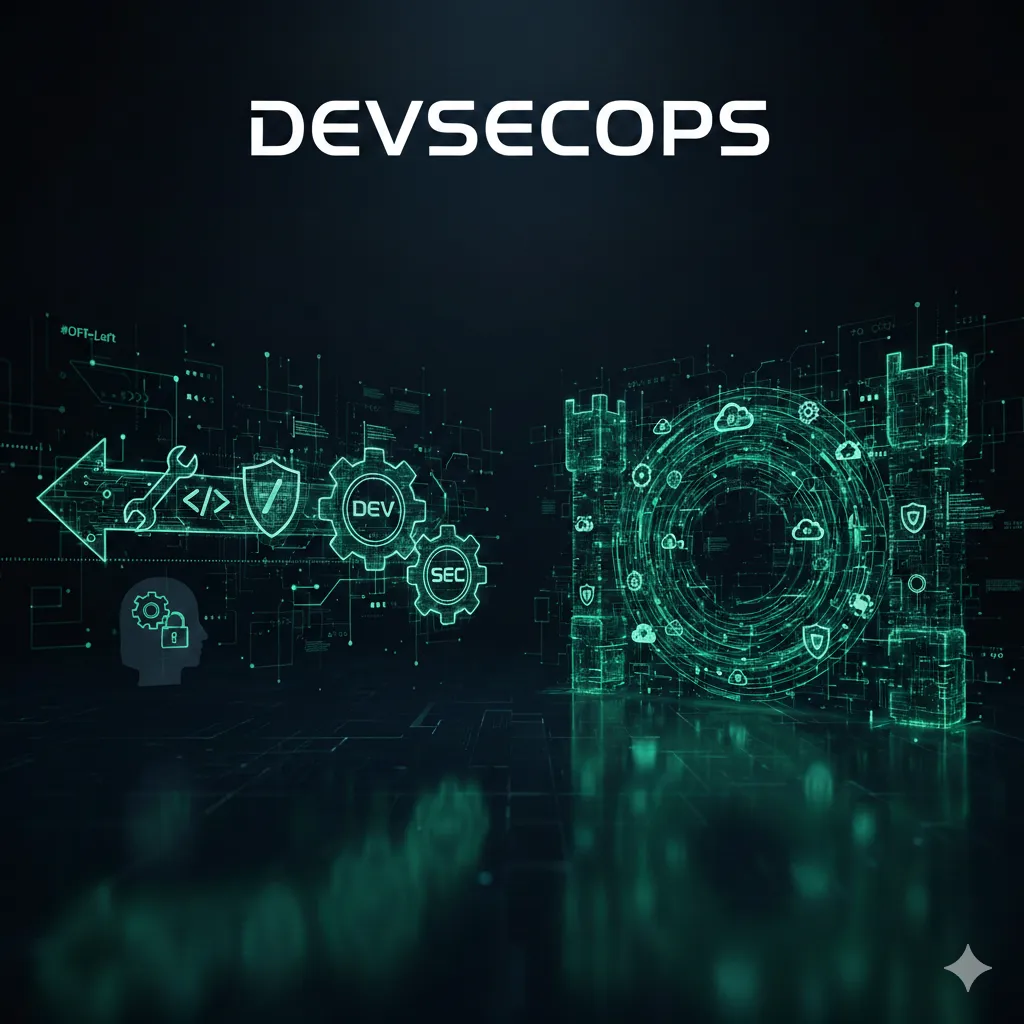
Perhaps the absolute most transformative conceptual framework of this recent timeframe is the tremendous popularization of the directive advocating to move critical validation processes as early in the pipeline as physically possible. This strategic leftward displacement effectively means that frontline software engineers, precisely while they are drafting their intricate subroutines and core business logic, are continuously accompanied by silent, intelligent computational assistants that strictly analyze their keystrokes in near real-time. Such a paradigm shift brilliantly demystifies the intimidating figure of the draconian external auditor, intelligently replacing that persona with a steady, invisible collaborative flow. By securely integrating static application testing natively into corporate integrated development environments, forward-looking companies are achieving drastic reductions in the overall financial costs associated with the emergency remediation of catastrophic bugs that previously would only be uncovered heartbeats before a highly anticipated public release.
The aggressive mainstream adoption of fully managed cloud-native infrastructures has radically accelerated this forward-moving trend. As exponentially more background services deliberately migrate toward fully decoupled microservice architectures and ephemeral container ecosystems, the staggering velocity of daily deployments absolutely demands a level of flawless agility that manual inspection methodologies simply cannot possibly match. This precise operational crossroad is exactly where intelligent automation actively steps in, allowing teams to instantly evaluate intricate infrastructure configurations treated purely as programmatic code, effectively discovering inadvertently open network ports or aggressively excessive access permissions long before they ever consolidate into the main branch of a shared repository.
Fundamental Pillars of the Contemporary Strategy
The successful cornerstone of this powerful methodology does not depend exclusively on the haphazard implementation of highly sophisticated technical tools, but rather relies on a meticulously planned, complete redesign of the organizational fabric itself and profoundly altering how distinct departments habitually interact. The historical bureaucratic silos have been permanently dismantled to constructively make way for cross-functional, deeply empowered work pods. Below, we shall thoughtfully explore the absolute key elements securely underpinning this remarkable transformation today:
- Cultural Collaboration and Shared Responsibility: The daunting task of mitigating digital risks has firmly ceased to be an isolated problem exclusively concerning a dark department secluded within a lonely corner of the global office. Today, it is fundamentally assumed as an inherent, deeply personal responsibility of absolutely every single active participant engaged with the project, ranging meaningfully from the inventive designer defining user interfaces down to the senior administrator precisely configuring the database clusters. Such an enriching cooperative culture inherently fosters healthy transparency and dramatically reduces the traditional organizational frictions frequently encountered during fast-paced delivery stages.
- Deep and Transparent Automation: The established intricate conduits dictating continuous integration algorithms seamlessly incorporate dynamic network analyzers and deeply scan for outdated, vulnerable third-party dependencies completely without requiring human prompting. This relentless automated inspection invariably occurs quietly in the contextual background, generously providing immediate constructive feedback without ever hindering the delicate creative flow or the rapid development velocity expected by modern stakeholders.
- Relentless Continuous Observability: Pushing exponentially past the basic, legacy monitoring parameters focused merely on mundane memory consumption or rudimentary server response delays, the refined methodology passionately promotes an extremely vigilant, continuously active stance against highly anomalous behavior. Leading observability platforms aggressively gather telemetry data and distributed traces that reliably allow infrastructure managers to proactively anticipate ongoing complex attacks and autonomously isolate them far before they can ever remotely touch a drop of strictly confidential consumer data.
Clear Distinct Benefits Over Traditional Waterfall Models
The sharp contrast vividly illustrating exactly how technology was haphazardly constructed just a few short years ago versus the rigorously high standard we are actively consolidating currently is nothing short of abysmal. Highly esteemed industry professionals who have successfully navigated this challenging transition consistently report intensely empirical operational advantages that easily, fully justify the heavy upfront investment of financial resources, personnel education, and massive process overhaul. Primarily, well-orchestrated organizations systematically achieve the highly sought-after capability of maintaining a phenomenally high frequency of daily deployments while simultaneously ensuring an outstanding, unshakable level of systemic architectural stability.
- The extraordinarily dangerous windows marking open vulnerabilities are drastically, sharply narrowed due to the newfound organizational capacity to immediately patch compromised libraries or flawed dependencies infused with malicious payloads acting harmoniously at almost the identical moment they are globally disclosed to the broader public.
- Overworked engineering teams experience significantly fewer stressful interruptions heavily outside of normal working hours, simply because the intrinsic foundational quality of the actively shipping source code steadily improves, fundamentally lowering the sheer volume of severe incidents negatively impacting live production environments.
- Crucially, the inherent trust gracefully earned from loyal customers and highly skeptical financial investors actively increases. In a turbulent era where deeply catastrophic multi-million record data breaches consistently dominate mainstream media headlines across the globe, confidently demonstrating that intricate internal software manufacturing processes are inherently shielded by precise design constitutes an exceptionally rare, undeniably powerful competitive business advantage inside the hyper-competitive technological marketplace.
Lifecycle Flow Functional Comparison
In order to truly, fully grasp the staggering impact of this incredibly holistic ideological approach, it becomes extremely useful to directly observe the highly practical functional differences starkly dividing a classic operations environment versus the modern, deeply enriched integrated methodology. The highly descriptive table outlined below carefully deconstructs these fascinating contrasts measuring multiple crucial viewpoints evaluating the broader technological manufacturing workflow:
| Evaluated Aspect | Traditional Operational Workflows | Current Integrated Agile Methodology |
|---|---|---|
| Role of Prevention | Executed primarily as a final stressful audit that generally delays agreed deadlines. | Actively constitutes a perpetual structural constant evenly distributed among all participants starting dynamically at the initial planning phase. |
| Degree of Structural Automation | Severely limited strictly to basic source compilation, rigid packaging, and repetitive functional regression testing. | Comprehensively covers exceptionally deep static code analysis, highly probabilistic dependency review, and fiercely codified infrastructure deployments. |
| Incident Tactical Reaction | Predictably requires intense chaotic corporate panic, hasty emergency patchwork, and painfully total platform service interruption. | Harmoniously includes brilliant automated self-mitigation, exceptionally rapid isolation of mildly affected microservices, and aggressively deployed "Zero Trust" implementations. |
Practical Field Integration: Making Systematic Change Reality
The high-level structural theory unquestionably sounds incredibly promising, but achieving that pristine execution rigorously dictates taking exceptionally precise technical actions. Safely integrating these advanced defense mechanisms solidly into the daily chaotic routine means fundamentally adapting entrenched version control platforms alongside the scheduled workflows precisely so that all technical validation naturally occurs in a remarkably imperceptible yet unforgivingly strict manner. Thoughtfully imagine parsing the following realistic scenario proudly acting as a totally normal, habitual part of the seamless automated validation tightly guarding a mission-critical financial project:
name: Strategic Continuous Integration Pipeline
on: [push]
jobs:
  build_and_preventative_analysis:
    runs-on: managed-cloud-virtual-environment
    steps:
      - uses: repository-management/clone-source-code@current-version
      - name: Execution of Deep Preventative Static Analysis
        uses: specialized-tooling-provider/deep-analysis-action@latest-version
        with:
          active-configuration: -mode=extremely-strict -reporting=immediate-feedback
This admittedly brief, yet profoundly descriptive coding extract beautifully represents exactly how massive intricate systems that previously depended heavily on inherently flawed human instinct are right now confidently backed by absolutely unyielding logical engines that fiercely block the merging integration of an untested module unless it comprehensively passes agonizingly exhaustive algorithmic criteria. This brilliant normalization of purposefully positive systemic constraints inherently ensures that the final deployed codebase will reliably contain neither unintentionally lingering administrative backdoors nor publicly widely-known architectural structural weaknesses.
Frequently Asked Practical Questions (FAQ)
Why has this particular evolutionary step become so incredibly hyper-critical so recently?
The massively explosive, disproportionate worldwide increase in fully remote, highly asynchronous communication dramatically expanded global technological borders outwards. Modern enterprise platforms are now profoundly interconnected seamlessly involving an absolute multitude of third-party external APIs that strictly demand to be aggressively validated on a highly individual basis simply to proactively avoid deeply crippling attacks deliberately targeting the broader software supply chain, effectively turning this precise methodological framework into the absolute only dependably secure operational bridge forward relying heavily on the stringent adoption of wonderfully granular identity access controls.
What exactly represent the absolutely greatest friction points actively hindering corporate structural adoption?
Surprisingly, the single most prominent primary barrier historically does not actually reside in the complex technical selection curve concerning adopting highly advanced programming technologies, but rather predictably roots itself deeply within intense internal cultural friction. Patiently unlearning profoundly outdated habitual routines and thoughtfully convincing wildly experienced senior technical professionals that a brilliantly highlighted mistake proactively reported loudly by an automated testing tool is resolutely not a punitive corporate punishment, but instead a genuinely phenomenal, immediate educational opportunity for instantaneous improvement, typically remains the tremendously intense challenge that undeniably consumes the most profound amount of dedicated effort, precious time, and sheer political willpower securely held within the highest echelons of modern executive engineering leadership.
Is this complex, deeply intricate process exclusively securely reserved strictly for massive, global corporate giants?
Absolutely, definitively not in any possible way. Extremely lean emerging startups and highly agile independent development boutiques enthusiastically benefit immensely when they courageously choose to proactively adopt these rigorous structural practices precisely because, incredibly paradoxically, the total cognitive engineering effort realistically required to correctly architect heavily protected, flawlessly secure delivery pipelines right outward from the absolute beginning conceptual stages inherently remains infinitesimally significantly lower compared against the unimaginably gargantuan, painful struggle attempting to agonizingly reform the hopelessly crumbling foundations of ancient legacy application platforms hopelessly saturated completely full of painfully decaying technical debt agonizingly accumulated progressively over multiple passing decades.
Definitive Forward-Looking Conclusion
The enthusiastic, passionate widespread adoption of this powerful unified operational convergence definitively goes significantly beyond being written off as merely another quickly passing industry fad explicitly designed to be conveniently historically ignored. It truly essentially speaks deeply of an absolutely undeniable overarching structural maturation that comprehensively and permanently rewrites our entire global baseline interaction dealing closely with the intricate digital engineering we creatively collectively build together every single day. Those deeply forward-looking, progressive technical leaders spanning diverse cross-functional support teams who intelligently understand extremely early on that rigorously protecting vulnerable corporate digital assets internally equates intrinsically to bravely enthusiastically delivering an outrageously phenomenal, deeply safe functional overall experience to the end customer, will absolutely undeniably fiercely lead their exceptionally respective competitive worldwide markets. The precise pivotal moment has finally undeniably arrived to courageously transform the historic operational frictions, terrible anxieties, and deep-seated fears previously heavily associated with orchestrating highly complex deployments outward into a wonderfully smoothly flowing, seamlessly continuous, wildly transparent, and profoundly brilliantly trustworthy automated process, thus magnificently elevating the very pristine artistic act of daily computer programming directly upward into its absolute highest conceivable standard of uncompromising true professional, exceptional ethical potential.
Tags
Share this post
Subscribe
Get the latest posts delivered right to your inbox.

Leave a comment